How to Hire a Local Contractor: Tips for finding and hiring a qualified general contractor. Learn how to hire someone and avoid a bad situation.
How to Hire a Local Contractor: Tips for finding and hiring a qualified general contractor. Learn how to hire someone and avoid a bad situation.

Embarking on a home improvement project? Hiring a reliable local contractor is key. This guide walks you through each step. You’ll learn how to find, evaluate, and manage contractors. Let’s turn your home renovation dreams into reality.
Understanding Your Project Needs
Before you hire a contractor, define your project. This ensures you find the right pro for the job. Clarity from the start prevents headaches later on.
What Type of Contractor Do You Need?
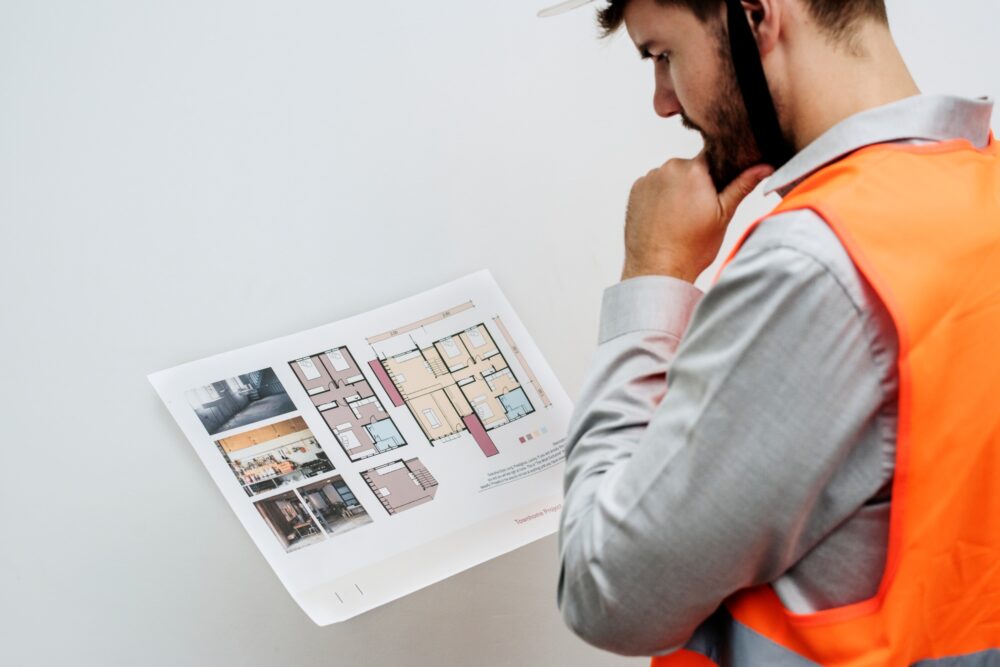
Different projects require different specialists. A general contractor manages the entire project. They oversee various subcontractors. For specific tasks, you might need a plumber or electrician. Knowing the scope helps you find the right fit.
How to Define Your Project Scope and Requirements?
Clearly define what you want to achieve. Detail every aspect, from materials to finishes. This scope of work guides contractors’ bids. It also ensures everyone is on the same page.
When Is the Best Time to Hire a General Contractor?
Plan ahead and consider seasonal factors. Contractors are often busiest in the summer. Booking in advance can secure better rates. It also ensures your project starts on time.
Research and Finding Potential Contractors
Finding reputable contractors involves research. Start with local sources and online tools. Don’t rush this step. A good contractor makes all the difference.
Where Can You Find Reputable Local Contractors?
Begin with local directories and online reviews. Look for contractors with positive feedback. Check if they are licensed and insured. Local building associations can also offer leads.
How to Ask for Recommendations from Friends and Family?
Personal recommendations are invaluable. Ask neighbors, friends, and family for referrals. Their experiences can offer insights. First-hand accounts can steer you toward reliable pros.
What Online Resources Are Best for Contractor Research?
Use sites like Angie’s List, HomeAdvisor, and the Better Business Bureau. These platforms offer reviews and ratings. They can help you assess a contractor’s reputation. Always verify credentials independently.
Why Should You Check Local Building Associations?
Local building associations often list qualified contractors. These groups ensure members meet certain standards. Checking with them adds another layer of confidence. It helps you find reliable professionals in your area.
Evaluating Contractor Credentials
Credentials matter when hiring a contractor. Verify licenses, insurance, and certifications. This protects you from potential liabilities. It also ensures quality workmanship.
What Licenses and Insurance Should a Contractor Have?
Contractors should have proper licenses for your state and locality. Ask the contractor for proof of liability insurance. Worker’s compensation is also essential. This protects you if someone gets injured on your property.
How to Verify a Contractor’s Certification?
Contact the licensing board to verify credentials. Check for any complaints or disciplinary actions. Confirm that the license is current and in good standing.
Why Is Checking for Insurance Coverage Critical?
Insurance protects you from property damage and injuries. Make sure the contractor carries adequate coverage. Request a certificate of insurance directly from the insurer. This ensures the policy is valid.
What Professional Associations Should Quality Contractors Belong To?
Membership in professional associations signals commitment. Groups like the National Association of Home Builders provide training. They also promote ethical business practices. Look for contractors affiliated with reputable organizations.
Reviewing Past Work and References

A contractor’s past work speaks volumes. Review portfolios and contact references. This helps you gauge their quality and reliability. It also reveals their approach to projects.
How Many References Should You Request?
Aim for at least three references from past clients. This provides a well-rounded view. It also helps you identify patterns in their work.
What Questions Should You Ask Previous Clients?
Ask about the contractor’s communication and punctuality. Inquire about their problem-solving skills. Also, ask how they handled unexpected issues.
How Can You Effectively Evaluate a Contractor’s Portfolio?
Look for projects similar to yours in the portfolio. Assess the quality of workmanship and attention to detail. A strong portfolio showcases their skills.
Why Should You Visit Current Job Sites?
Visiting current job sites gives you a real-time view. Observe their work habits and cleanliness. Also, assess how they interact with their team. This can reveal their professionalism.
Getting and Comparing Estimates
Estimates help you compare costs and services. Get detailed bids from multiple contractors. Understand what’s included before making a decision. Don’t always go with the cheapest bid.
What Should Be Included in a Detailed Estimate?
A detailed estimate lists all costs, including labor and materials. It should also specify the project timeline. Check for permits and any other fees. Clarity prevents surprises later on.
How Do You Compare Different Contractors’ Bids?
Compare bids line by line to see what each includes. Look for discrepancies or hidden costs. Evaluate the quality of materials specified. Consider the contractor’s reputation and experience.
Why Is the Cheapest Bid Not Always the Best Option?
The cheapest bid may indicate lower quality materials or inexperienced labor. It could also signal cutting corners. Reach out to several contractors to check compatibility. Prioritize value and reliability over price alone.
When Should You Be Suspicious of an Estimate?
Be wary of estimates that are too good to be true. Also, question vague or incomplete bids. Unclear pricing can lead to disputes and added costs. It is always best to trust your gut.
Interviewing Potential Contractors
Interviews help you assess a contractor’s personality and communication. {Ask the contractor} about their experience and approach. This helps you find someone you trust.
What Are the Essential Questions to Ask During an Interview?
Ask about their experience with similar projects. Inquire about their process for managing subcontractors. Also, clarify their communication methods.
How Can You Assess a Contractor’s Communication Style?
Effective communication is crucial. A good contractor should listen and respond clearly. They should also be proactive in providing updates. Poor communication can lead to misunderstandings.
Why Is Understanding Their Project Management Approach Important?
Understanding their project management style ensures efficiency. Ask about their scheduling and coordination methods. A well-managed project stays on track and within budget.
How to Discuss Timeline Expectations?
Clearly outline your timeline expectations. Discuss potential delays and how they will be handled. A realistic timeline helps manage your expectations. It also keeps the project moving forward.
Understanding Contracts and Agreements
A solid contract protects both you and the contractor. It outlines the project scope, payment schedule, and responsibilities. Never start work without a signed agreement.
What Must Be Included in a Solid Contract?
The contract should detail the project scope, timeline, and cost. It should also specify materials and finishes. Include clauses for change orders and dispute resolution.
How Detailed Should the Payment Schedule Be?
The payment schedule should be tied to milestones. Never pay in full upfront. A reasonable schedule protects your investment. It also motivates the contractor to complete work.
What Should Warranty and Guarantee Terms Cover?
Warranty terms should cover workmanship and materials. Understand the duration and scope of the guarantee. A clear warranty protects you from defects.
Why Is Having a Change Order Process Important?
Change orders address unexpected issues or changes to the scope. A clear process ensures changes are documented and agreed upon. This prevents disputes and cost overruns.
Managing the Relationship During the Project
Communication is key to a successful project. Stay in touch with your contractor. Address concerns promptly and professionally.
How Often Should You Communicate With Your Contractor?
Regular communication keeps you informed. Schedule weekly updates or site visits. Address any concerns as they arise. Open dialogue prevents misunderstandings.
What Are the Best Ways to Handle Disagreements?
Address disagreements calmly and directly. Refer to the contract for guidance. Consider mediation for unresolved disputes. Avoid confrontational language.
How Can You Track Progress Without Micromanaging?
Track progress through regular updates and site visits. Focus on milestones and deliverables. Trust the contractor to manage the day-to-day tasks. Avoid excessive interference.
When Should You Step In if Problems Arise?
Step in if you notice quality issues or safety concerns. Address contract violations or delays. Document all communications and actions.
Handling Payment Schedules Properly
Proper payment handling protects your interests. Follow the agreed-upon schedule and documentation. Never deviate without written consent.
Why Should You Never Pay in Full Upfront?
Paying in full upfront puts you at risk. You lose leverage if problems arise. Sticking to the payment schedule protects your investment.
What Is a Reasonable Payment Schedule?
A reasonable schedule ties payments to milestones. Initial payment covers mobilization. Subsequent payments cover completed work. The final payment is made upon satisfactory completion.
How Should You Handle the Final Payment?
Hold the final payment until you’re satisfied with the work. Conduct a thorough inspection. Address any remaining issues.
What Documentation Should You Receive Before Making Payments?
Before each payment, receive invoices detailing completed work. Also, get lien waivers from subcontractors. This protects you from future claims.
Ensuring Proper Project Completion
A final inspection ensures the project meets your standards. Collect all necessary paperwork. Address any remaining issues before making the final payment.
How to Conduct a Thorough Final Inspection?
Walk through the project with your contractor. Check for any defects or incomplete items. Create a punch list of outstanding issues.
What Paperwork Should You Collect Upon Completion?
Collect warranties, manuals, and permits. Get lien waivers from all parties. Keep a copy of the final contract and change orders.
When Should You Make the Final Payment?
Make the final payment once all punch list items are resolved. Ensure you’re completely satisfied with the work. Obtain written confirmation of completion.
How to Address Any Remaining Issues or Concerns?
Communicate any remaining concerns to the contractor. Give them a reasonable opportunity to address them. Document all communications and resolutions.
Planning general contractor in State College? Read more about our general contractor work in State College, or request a free estimate.
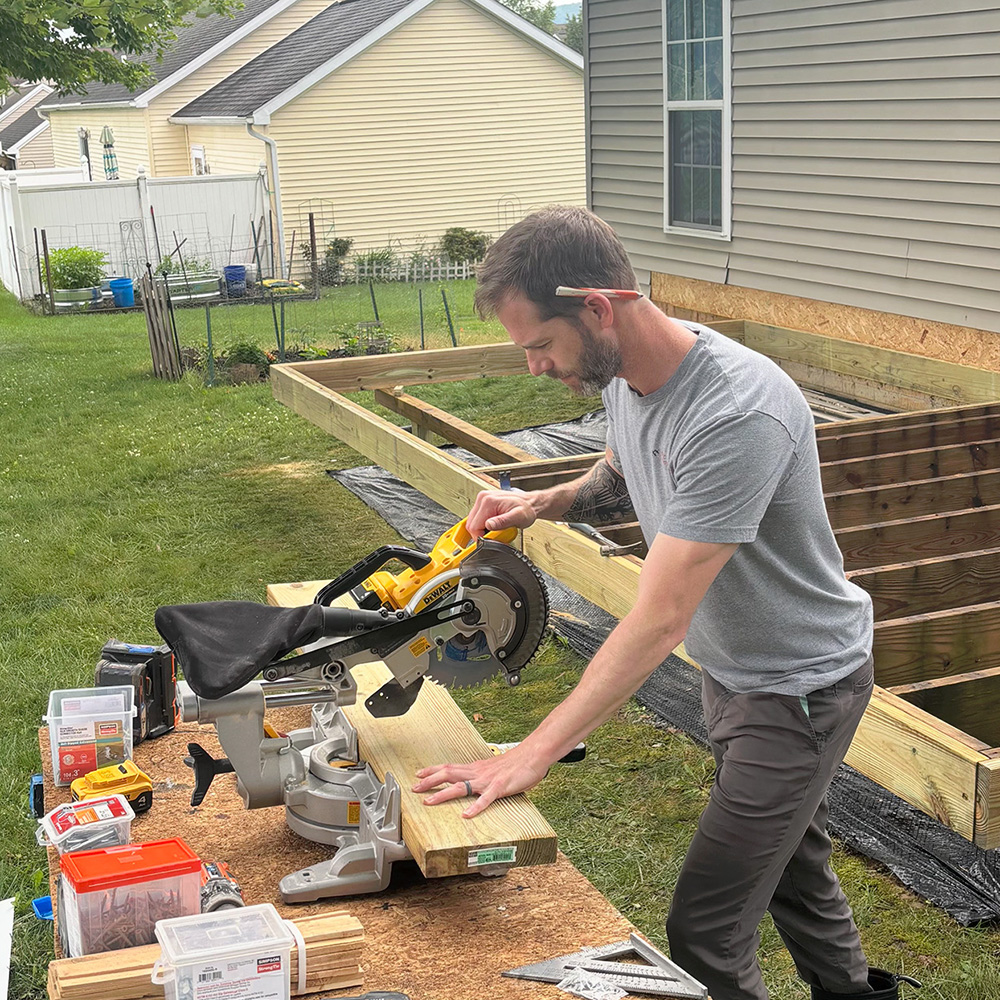
Brian GerberOwner of D&Z Renovations. Residential remodeling across State College and Centre County.