Need a building permit in State College, PA? D&Z Renovations can help! Learn about the process, requirements, inspections, and more for your construction project.
Need a building permit in State College, PA? D&Z Renovations can help! Learn about the process, requirements, inspections, and more for your construction project.

If you are thinking of building in State College, PA, or just doing an addition, D&Z Renovations can help you with building permits! We can guide you through the process. Let’s explore building permits in State College, PA
What is a Building Permit?
A building permit is official approval to start a construction project. It ensures your project follows local codes and safety standards. Permits help keep buildings safe for everyone. They are often needed for new construction, additions, or renovations. Building permits are crucial for any construction work.
Looking for general contractor in State College? D&Z Renovations handles the full job with clear estimates and a local crew.
What is the Process for Getting a Permit?
- Application: First, complete the building permit application.
- Submission: Next, submit the application with detailed plans.
- Review: The local zoning department reviews your plans for code compliance.
- Approval: If approved, you’ll receive your building permit.
- Inspections: Inspections occur during construction to ensure compliance.
Do I Need a Building Permit for My Project?
You’ll likely need a building permit for many projects. This includes new buildings or additions to existing structures. Significant renovations or alterations also often require them. Check with the State College Borough to determine your project’s specific needs.
How do Inspections Work?
Inspections ensure your project follows the approved plans. Inspectors check for code compliance during construction. Common inspections include electrical, plumbing, and structural phases. Schedule inspections with the Centre Region Code Administration.
Application for Building Permit Packet
The building permit application packet typically includes forms, plans, and supporting documents. These documents detail your project’s scope and design. Ensure all information is accurate and complete. Incomplete applications can cause delays.
How Long Does it Take to Get a Permit?
Permit approval times vary. Simpler projects may get approved faster. More complex projects can take longer. Check with the local zoning office for estimated timelines.
How Long is a Permit Good For?
Building permits have expiration dates. The exact duration varies by location and project type. Check the permit’s terms to know its validity period. You may need to renew the permit if your project extends beyond this period.
What are the Current Versions of the Code?
Pennsylvania follows the Uniform Construction Code (UCC). This code is based on the International Building Code (IBC). Local jurisdictions may have additional amendments. Staying updated with the latest codes is essential.
What is Centre Region Code Administration (CRCA) and Why is That Important?
The Centre Region Code Administration (CRCA) handles building code enforcement. It serves State College and surrounding townships. CRCA ensures consistent code application. It promotes safety and compliance across the region.
State College PA Zoning & Building Permit Information
State College, PA, has specific zoning and building regulations. Zoning dictates land use and development standards. Building permits ensure construction aligns with these standards. Understanding local zoning ordinances is crucial.
Obtain Building Permits in Centre County
To obtain building permits in Centre County, contact the local municipality. Each township has its procedures. Ensure you follow the specific guidelines for your project’s location.
Pennsylvania Department of Labor and Industry (L&I)
The Pennsylvania Department of Labor and Industry (L&I) oversees building codes statewide. They provide resources and guidance on construction safety. L&I ensures consistent code enforcement across Pennsylvania.
How is the Building Code Applied in Pennsylvania?
Pennsylvania applies the building code through local municipalities and the CRCA. Certified inspectors review plans and conduct inspections. This ensures all construction projects meet minimum safety standards. This process helps protect residents and property.
D&Z Renovations does this work as part of contractor services in State College.
If you’re considering building or adding to your property in State College, PA, D&Z Renovations can assist you with navigating the often complex process of obtaining building permits. Visit us at D&Z Renovations today!
Residential Building Permit Cost State College Pa
The cost of a residential building permit in State College, PA, can vary. It depends on the scope and nature of the project. Factors influencing the cost include the size of the project, construction type, and valuation of the work being done. Contacting the local permitting office directly is always a good idea. This will give you the most accurate estimate for your specific project.
Building Permit Cost State College Pa Reddit
Platforms like Reddit can offer anecdotal insights into building permit costs. Remember that information found on Reddit should be verified with official sources. Actual costs can change. Regulations may vary. Always consult the State College Borough website or the Centre Region Council of Governments (COG).
Building Permit Cost State College Pa Calculator
While an exact online calculator for State College, PA, might not be available, some municipalities offer fee schedules. These schedules help estimate permit costs based on project details. Check the Centre County website for any available resources or contact the permitting office.
Building Permit Cost State College Pa 2020
Building permit costs are subject to change over time due to adjustments in local regulations and fees. Data from 2020 may not reflect current costs. For the most up-to-date information, consult official sources such as the State College Borough’s permitting page.
How Much Is A Building Permit In Pa
The cost of a building permit in Pennsylvania varies widely. It depends on the municipality and the project’s specifics. Factors affecting the total permit fee include:
Each municipality or township sets their fees. Check with the local government where the project is located.
State College Borough Occupancy Permit
An occupancy permit confirms that a building meets all codes and is safe to occupy. The State College Borough likely requires this permit for new constructions. It might also be required for changes in occupancy. Contact the borough’s planning department for details.
State College Building Permits
State College building permits ensure projects adhere to local and state codes. These permits cover various construction activities:
Administration and Enforcement of the UCC
The UCC is administered and enforced at the local level. This means the municipality is in charge. They handle building permit applications and inspections. Some municipalities may opt-out of certain UCC provisions.
Getting a building permit might seem complex. We will break down the steps for you. This guide will help you understand how to navigate the process in State College, PA.
What Do I Do If I Get A Permit For A Project That Ends Up Not Being Constructed?
If you get a permit and do not construct the project, inform the CRCA. There might be options to extend or close the permit. Ignoring it could lead to issues later. Always communicate changes to avoid complications.
Navigating the rules for construction projects in State College can feel confusing. Understanding when you need a permit is crucial before starting any work.
Whether you’re planning a major renovation or a small addition, knowing the local requirements saves time and potential headaches. This guide will help clarify the building permit process in the State College area.
Do I Need a Building Permit for my project?
According to the State College Borough’s official website, a building permit is required for the erection, construction, enlargement, alteration, repair, movement, improvement, removal, conversion, or demolition of any building or structure.
What kind of work do I not need a Permit for?
While many projects require permits, some minor work is exempt. You generally do not need a permit for ordinary repairs and maintenance. This often includes:
Replacing windows or doors of the same size without structural changes.
Building detached accessory structures less than 1,000 square feet (though zoning permits might still apply).
Retaining walls less than 4 feet in height, unless supporting a surcharge.
Window awnings supported by an exterior wall that do not project more than 54 inches from the exterior wall and do not require additional support.
Do I Need a Zoning Permit?
Yes, in many cases, you might need a Zoning Permit even if a building permit isn’t required, or in addition to one. Zoning permits are required prior to the erection, addition, or alteration of any building, structure, or portion thereof. This ensures your project complies with local land use regulations, like setbacks, height limits, and permitted uses within a specific zoning district. Examples include putting up a fence, building a shed (even small ones), adding a deck, or changing how a property is used. You can find more information specific to your location, such as College Township, Ferguson Township, Patton Township, or Harris Township. The issuance of a zoning permit often precedes the issuance of a building permit.
What Do I Need To Get A Permit?
Construction plans or drawings (sometimes requiring an architect or engineer’s seal).
What is a Certificate of Occupancy (COO) and how do I get one?
To get a COO, all work authorized by the building permit must be completed and pass all required inspections, including a final inspection. Once the code official determines everything is compliant, the Certificate of Occupancy will be issued. This is a crucial final step before legally using or occupying the newly built or renovated space as per local ordinances.
What is the Building Code?
The Building Code enforced in State College and throughout Pennsylvania is the PA Uniform Construction Code (UCC). The UCC adopts versions of the International Building Code (IBC) and other related codes, setting minimum standards for building design, construction, materials, and safety. The purpose of this ordinance and the UCC is to ensure the health, safety and welfare of occupants and the public. It covers structural integrity, fire safety, accessibility, energy efficiency, and more for all building construction.
How do Inspections Work?
Plumbing/Mechanical/Electrical Rough-in: Before covering pipes, wires, and ducts.
Application for Building Permit Packet
The Application for Building Permit Packet contains the necessary forms and instructions for applying for a building permit through the CRCA. This packet details the information needed, required plans, applicable fees (often calculated per square foot or project value), and submission procedures. Carefully reviewing and completing this packet is the first step toward getting your permit issued.
Centre region code rental inspection
In addition to construction permits, the CRCA also handles rental housing permits and inspections within State College Borough. Landlords must obtain rental housing permits, which involve regular inspections to ensure properties meet safety and health standards for tenants.
Easements in state college
Easements are legal rights allowing someone else to use a portion of your property for a specific purpose (e.g., utility lines, shared driveways). It’s important to be aware of any easements in state college on your property before planning construction. Building over an easement is often prohibited and could impact where you can place structures or additions according to zoning and building permit requirements. Check your property deed or consult with the planning department.
Dealing with building projects in State College, PA can seem complex, especially regarding permits. Unpermitted work can lead to significant problems down the road for any homeowner.
This guide explores the potential outcomes of unpermitted construction within the Commonwealth of Pennsylvania, specifically focusing on State College.
What Can a Homeowner Do Without a Permit?
Installing new flooring like carpet, tile (not requiring structural changes), or hardwood.
Some minor electrical repairs, like replacing a light switch or outlet (Source: Angi).
When is a Building Permit Required For Remodeling?
Structural changes: Altering load-bearing walls, changing rooflines, adding beams.
Additions: Increasing the home’s square footage or adding new structures like decks or garages.
Major system work: Significant plumbing, electrical work, or HVAC system replacements or installations (like replacing a water heater).
Why Homes May Have Unpermitted Work
Homes might have unpermitted work for several reasons. Sometimes, a homeowner might not realize a permit was necessary for their project. Other times, individuals intentionally skip the permit process to save time or money.
Occasionally, work was performed by a previous owner who didn’t secure the proper permits. DIY projects undertaken without full knowledge of building code requirements can also result in unpermitted work done. Sometimes, a less reputable contractor might proceed without permits to cut corners (Source: RenoFi).
What If I Don’t Get a Permit?
Choosing not to get a permit can have serious legal and financial consequences. The local building department in State College has the authority to issue stop-work orders if they discover ongoing unpermitted projects.
They can levy significant fines against the homeowner. Worse, you might be required to redo the work correctly, which can be costly. In extreme cases, you could be forced to tear down the unpermitted addition or modification entirely.
Furthermore, unpermitted work might not meet safety standards outlined in the local building codes. This poses risks to you and your family. An insurance company could potentially deny a claim related to the unpermitted portion of your house if something goes wrong (Source: Orchard). Ensuring work is done safely and legally protects your investment and well-being.
What are the Risks of Selling a Home With Unpermitted Work?
Attempting to sell a house with unpermitted work presents major hurdles. In Pennsylvania, sellers are generally required to disclose unpermitted work to potential buyers. Failing to disclose this information can lead to legal action after the sale (Source: Homelight).
Financing Issues: Lenders may refuse to finance a home with significant unpermitted work, limiting your pool of potential buyer options.
Lower Offers: Buyers will likely offer less money, factoring in the cost and hassle of dealing with the unpermitted work themselves. Selling as-is often means accepting a lower price.
Inspection Problems: Home inspectors are trained to spot signs of work that might lack permits, potentially derailing the sale. The lack of a permit raises red flags.
Liability: If unpermitted work causes problems after the sale (e.g., structural failure, electrical fire), the seller could potentially be held liable, especially if disclosure was inadequate.
Valuation Impact: Unpermitted work generally doesn’t add recognized value to the home’s value and can even detract from it. Appraisers typically cannot include unpermitted additions in their valuation.
It becomes much harder to sell your home smoothly when there’s unpermitted work involved.
How to Find Out if Your House Has Unpermitted Work
If you suspect your home might have unpermitted work, perhaps done by previous owners, you can investigate. The first step is to contact the State College Borough Planning & Zoning department or the Centre Region Code Administration. You can inquire about the permit history for your property address. They can tell you what permits have been pulled and finalized.
You can also compare the current state of your house (e.g., number of bathrooms, square footage, additions) to the official records. Discrepancies might indicate unpermitted work was done. During a home purchase, hiring a diligent home inspector can also help identify potential areas of concern where work might have been done without proper approvals (Source: Reddit Discussion). It’s important to find out if your house complies with regulations.
My House Has Unpermitted Work: What are My Options?
Discovering unpermitted work in your home can be stressful, especially if it’s time to sell. However, you have options:
Get Retroactive Permits: You can approach the State College building department about applying for permits after the fact (retroactively). This usually involves inspections to ensure that the work meets current code requirements. You may need to open walls or make corrections to bring the work up to code. While potentially costly, this legitimizes the renovation. A licensed contractor like D&Z Renovations can often help navigate this process.
Remove or Redo the Work: If the unpermitted work cannot be brought up to code or obtaining retroactive permits isn’t feasible, you might need to remove the unpermitted structure or redo the work entirely with the proper permits. This can involve significant expense, such as having to tear down and rebuild an addition.
Sell As-Is with Disclosure: You can choose to sell the house in its current condition, fully disclosing the unpermitted work to buyers (Source: Quora Discussion). Be prepared for lower offers and a potentially longer time on the market, as buyers may be hesitant.
The best course of action often permit depends on the extent and nature of the unpermitted work. Consulting with professionals and the local building authority is recommended.
Navigating building codes and permits in State College, PA is essential for protecting your property’s value and ensuring safety. Avoiding unpermitted work saves you from potential fines, costly repairs, and difficulties when you decide to sell your home. If you’re planning a project or have discovered existing unpermitted work, understanding the rules and consequences is key. For help with obtaining building permits or addressing unpermitted work issues, contact the experts at D&Z Renovations. Visit us at https://dzrenovations.com to learn how we can assist you.
Explore our general contractor in State College page for scope, process, and local project examples.
Planning general contractor in State College? Read more about our general contractor work in State College, or request a free estimate.
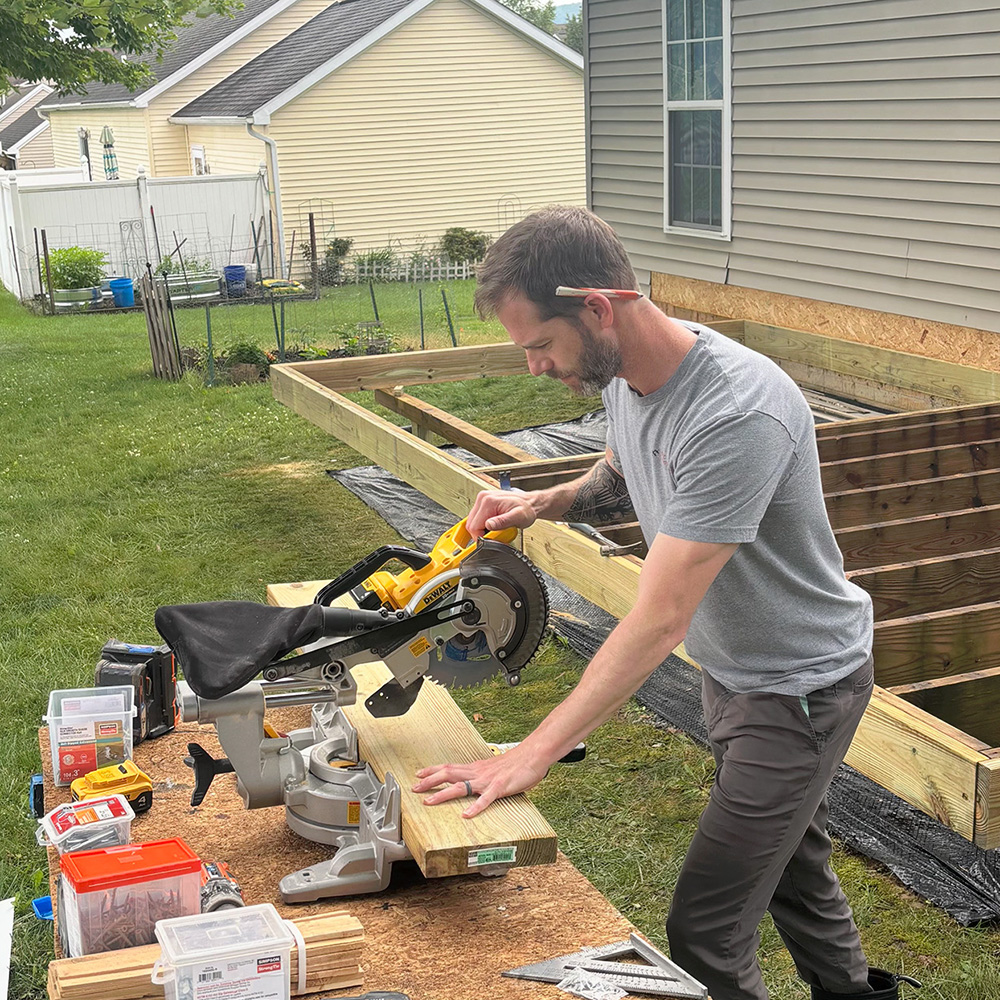
Brian GerberOwner of D&Z Renovations. Residential remodeling across State College and Centre County.