Hardwood flooring prices are usually quoted per square foot to make comparisons easy and clear. This number combines the cost of materials, labor, and any
Hardwood flooring cost per square foot explained by D&Z Renovations
Hardwood flooring prices are usually quoted per square foot to make comparisons easy and clear.
This number combines the cost of materials, labor, and any extra prep work before installation.
Knowing the per square foot rate helps you budget for each room and the whole house.
Average cost to install hardwood floors and what affects the price
On average, homeowners pay between $6 and $12 per square foot for mid-range hardwood installation.
Prices can range lower or higher depending on wood species, plank width, and finish quality.
Major factors that change the price include materials, labor, subfloor condition, and site access.
Compare the cost of solid hardwood vs engineered hardwood with D&Z Renovations
Solid hardwood usually costs more upfront but can be refinished multiple times for longevity.
Engineered hardwood often costs less and handles moisture better in basements or kitchens.
Choose solid for historic homes and engineered for moisture-prone areas or simpler installation needs.
Hardwood flooring installation: professional installation cost and timeline
Professional installation labor typically runs $3 to $8 per square foot depending on complexity and location.
Most rooms take one to five days to install, depending on room size and prep work required.
Complex patterns, stairs, or long runs add time and increase labor costs.
How we estimate costs: measuring square foot and calculating per square foot pricing
We measure the room length and width, multiply to get square footage, and then add waste allowance.
A typical waste allowance is 5% to 10% for straight runs and up to 15% for angled cuts.
Multiply the adjusted square footage by material and labor per square foot rates to estimate total costs.
Flooring material costs: oak, maple, walnut, pine, teak and other species
Common domestic woods like oak and maple are mid-priced and very durable for most homes.
Exotic species such as teak or Brazilian walnut command higher prices due to rarity and import costs.
Pine and softer woods cost less but show wear sooner and may need earlier refinishing.
High-quality hardwood flooring options and premium plank pricing
Premium, wide-plank hardwoods and custom finishes can push material costs above $15 to $25 per square foot.
Engineered options with thick hardwood veneers also come at a premium for stability and appearance.
High-grade finishes, UV-cured coatings, or hand-scraped textures add to the final material price.
Engineered wood vs engineered hardwood: construction, cost, and benefits
Engineered wood consists of plywood layers topped with a hardwood veneer for stability and moisture resistance.
Engineered hardwood often costs less than solid hardwood while still offering a real wood surface and grain.
Choose engineered when you need a stable material for basements, radiant heat, or fluctuating humidity.
Solid hardwood flooring: material cost, lifespan, and refinish potential
Solid hardwood planks are a single species throughout and can be sanded and refinished many times.
Lifespan for well-maintained solid hardwood often exceeds 50 years, making it a long-term investment.
Initial cost may be higher but refinishing potential offers strong lifetime value for homes.
Installing hardwood: subfloor, underlayment, and plywood considerations
A flat, structurally sound subfloor is essential for a long-lasting hardwood installation and minimal squeaks.
Underlayment or moisture barriers may be required, especially over concrete or in damp spaces.
Plywood subfloors sometimes need leveling or replacement to meet manufacturer standards before installation.
Plank width, grade, and finish: how plank choices change your total cost
Wider planks cost more per square foot and show more variation in grain and character over large areas.
Higher grades with fewer knots and tighter grain patterns carry a premium price and refined appearance.
Factory finishes reduce installation time and sanding needs, lowering labor complexity and cost.
Refinishing old flooring vs replacing: cost comparison and when to refinish
Refinishing existing hardwood usually costs $2 to $5 per square foot and restores appearance affordably.
Replace the floor if boards are badly cupped, rotted, or damaged beyond sanding and repair options.
Refinishing preserves material and can be more sustainable than full replacement in many cases.
Laminate and laminate flooring cost vs hardwood: budget-friendly alternatives
Laminate flooring can mimic wood appearance at a lower cost, often $1 to $4 per square foot.
Laminate is more scratch-resistant but cannot be refinished like genuine hardwood once worn.
Consider laminate for tight budgets or rental properties where low upfront cost matters most.
Vinyl, tile, carpet and other flooring options compared to hardwood
Luxury vinyl plank offers waterproof performance and realistic wood visuals at a lower cost than hardwood.
Tile provides durable, water-resistant surfaces, while carpet offers warmth but lower resale value.
Hardwood typically provides the best return on investment for resale and long-term home value.
Waterproofing, moisture control and humidity issues that affect hardwood cost
Moisture control investments, like vapor barriers and dehumidifiers, protect hardwood and prevent cupping.
Homes in high-humidity areas may require engineered hardwood or additional moisture mitigation steps.
Ignoring moisture can lead to costly repairs or premature replacement of your hardwood floors.
Water damage, repairs and when replacement is required
Minor water damage can sometimes be repaired by sanding, drying, and refinishing the affected boards.
Extensive damage, mold, or long-term swelling usually requires partial or full replacement of the floor.
Always address the moisture source first to prevent repeat damage after repair or replacement.
Floating floor and click-lock engineered wood: installation methods and costs
Click-lock engineered flooring often installs as a floating floor with lower labor costs and faster timelines.
Floating floors reduce installation complexity and may be a good DIY option for simple room layouts.
Glue-down or nail-down installations typically cost more but provide a firmer feel and longer-term durability.
Wood veneer and parquet flooring: specialty looks and pricing considerations
Veneer and parquet patterns create distinct, high-end visual appeal and often cost more due to skilled labor.
Parquet installations, like herringbone or chevron, increase labor time and pattern waste, raising total cost.
Choose these options when style and unique design are top priorities over budget constraints.
Underlayment, adhesives and additional installation materials cost
Underlayment, adhesives, fasteners, and trims add to overall material costs but are necessary for performance.
Moisture barriers, acoustical underlays, and transition strips are common extras to budget for.
Ask your contractor for a detailed materials list so you can see where the costs are allocated.
Labor costs: hire a professional installer or do it yourself with D&Z guidance
DIY installation saves on labor costs but requires skill, tools, and time to do the job correctly.
Professional installers ensure warranty compliance, correct acclimation, and consistent long-term results.
Labor quotes should include prep, installation, trim, cleanup, and any warranty details.
How to choose an installer: what D&Z Renovations includes in a quote
A clear quote should list materials, labor, timeline, warranty, and any necessary prep work or permits.
Ask for references, photos of previous work, and proof of license and insurance before hiring.
D&Z Renovations provides transparent estimates, local experience, and an HIC license for reliable service.
Warranty, longevity and maintenance costs for different hardwood types
Warranties vary by product; factory finishes often come with limited warranties on wear and finish.
Plan for periodic maintenance like refinishing every 7 to 20 years depending on traffic and wood type.
Regular cleaning and humidity control reduce long-term costs and protect your hardwood investment.
Financing, loans and budget planning for new flooring projects
Flooring projects can be financed with home equity, personal loans, or contractor payment plans.
Create a budget that includes a 10% contingency for unexpected subfloor or repair needs during installation.
D&Z Renovations can discuss financing options and help plan a phased approach to fit your budget.
How to compare the cost of hardwood flooring from retailers like Home Depot vs D&Z Renovations
Retailers often sell materials at scale, but contractor quotes should include installation, prep, and warranties.
A contractor-managed project bundles materials, labor, and oversight for one final price and less hassle.
Ask for itemized quotes to compare true costs instead of comparing only material prices from different sellers.
Cost per room and whole-house estimates: example budgets and scenarios
A 12-by-12 room (144 sq ft) typically costs between $1,000 and $3,000 depending on materials and labor.
A 1,500-square-foot home may range from $9,000 to $30,000 based on wood type and installation complexity.
Use these examples as starting points and get a site-specific estimate for accurate budgeting.
Preparing your home for hardwood installation: demo, leveling and old flooring removal
Preparation often involves removing old flooring, leveling the subfloor, and repairing existing structural issues.
Demo and disposal fees should be included in your estimate to avoid surprise charges after the project starts.
Clear furniture and plan for a disruption window while installation and finishing occur.
Costs of hardwood flooring for renovations and resale value impact
Hardwood flooring generally improves resale value and buyer appeal, making it a sound renovation choice.
Return on investment varies, but many homeowners recover a large portion of their flooring costs at sale.
Quality installation and well-chosen species maximize resale benefits and long-term homeowner satisfaction.
Frequently asked questions about hardwood flooring cost and installation
How much does hardwood flooring cost per square foot? Typical ranges are $6 to $12 for mid-range materials.
Can hardwood be installed over concrete? Yes, often using engineered flooring with proper moisture barriers and underlayment.
How often should hardwood be refinished? Most floors need refinishing every 7 to 20 years, depending on wear and wood type.
How D&Z Renovations helps homeowners choose flooring options and stay on budget
D&Z Renovations provides in-home consultations to measure spaces and discuss materials that meet your goals.
We prepare itemized estimates, explain tradeoffs, and propose phased plans to manage larger budgets effectively.
Our team helps you pick durable, cost-effective options that align with style and long-term maintenance needs.
Visit the D&Z Renovations contact page to get a personalized hardwood flooring quote
For a fast estimate, gather room dimensions, preferred wood species, and any concerns about moisture or subfloor condition.
Planning flooring installation in State College? Read more about our flooring installation work in State College, or request a free estimate.
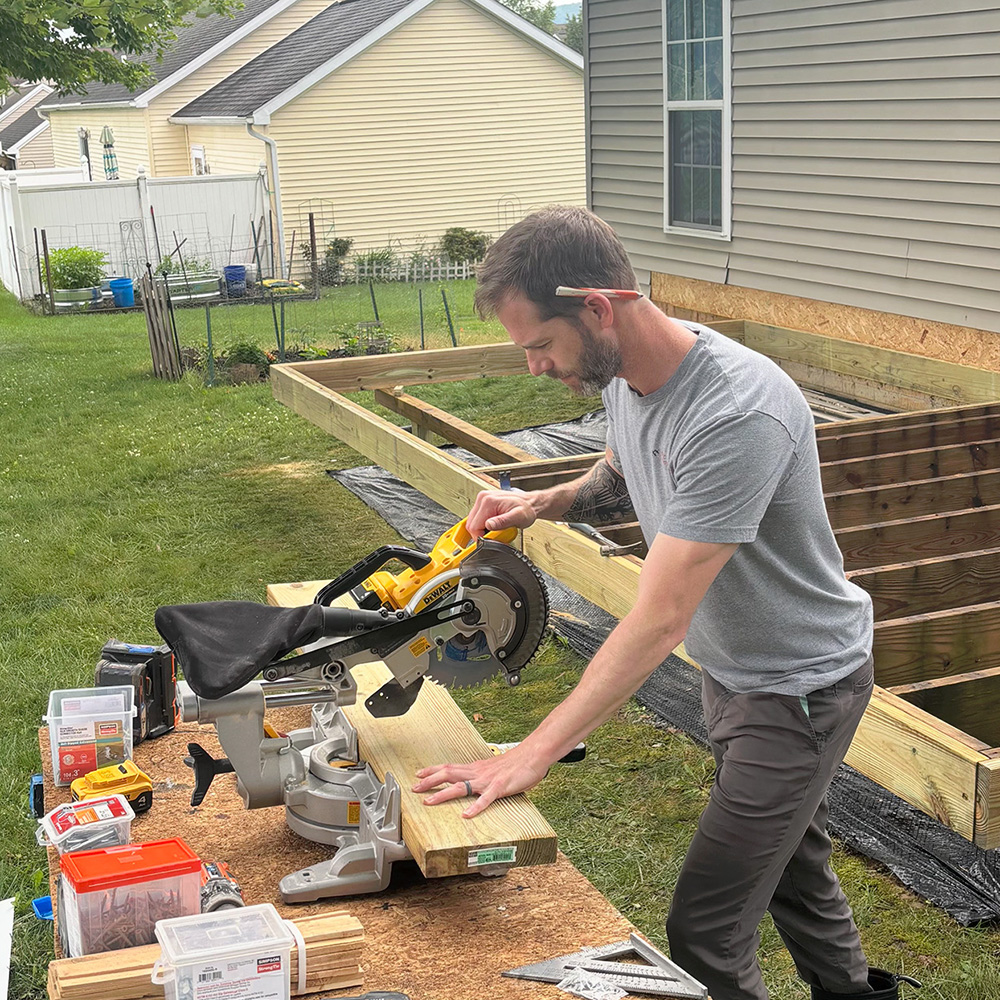
Brian GerberOwner of D&Z Renovations. Residential remodeling across State College and Centre County.