Epoxy flooring is a resin system applied over concrete to create a durable surface. It bonds tightly to concrete and resists stains, chemicals, and abrasion
Overview of Epoxy Flooring and Epoxy Floor Coating
Epoxy flooring is a resin system applied over concrete to create a durable surface.
It bonds tightly to concrete and resists stains, chemicals, and abrasion for years.
Homeowners choose epoxy for garages, basements, workshops, and commercial floors for its durability.
Common Uses: Garage Floor, Basement, and Concrete Floor Applications
Garages are the most popular place for epoxy because of oil and traffic protection.
Basements use epoxy to resist moisture and make cleaning much easier than raw concrete.
Commercial spaces choose epoxy to withstand heavy use while keeping a professional finish.
Types of Epoxy: Solid Epoxy, Metallic Epoxy, Flake Systems, and Polyurea Alternatives
Solid epoxy is a thick, durable finish often used in industrial environments.
Metallic epoxy creates a shimmering effect using pigments for a custom decorative look.
Flake systems broadcast vinyl flakes into epoxy to hide imperfections and add texture.
Polyurea and polyaspartic coatings cure faster and handle temperature swings better than standard epoxy.
Epoxy vs Polyurethane and Polyurea: Durability, Curing, and Longevity
Epoxy bonds well to concrete but cures slower in cold or humid conditions.
Polyurethane topcoats add UV resistance while polyurea cures very quickly for fast turnarounds.
For long-lasting performance in variable climates, polyurea or polyaspartic systems often outperform basic epoxy.
Factors Affecting Epoxy Flooring Cost
Several factors determine cost including surface preparation, epoxy type, and decorative finish.
Concrete condition, moisture levels, and square footage also affect labor and product needs.
Location, season, and contractor experience add to final price and scheduling considerations.
Cost to Epoxy Garage Floor: Average Cost and Cost of Epoxy
Average professional costs for a basic epoxy garage floor usually range from $4 to $9 per square foot.
Higher-end systems like metallic epoxy or polyurea can range between $8 and $15 per square foot.
DIY kits can lower material cost but usually lack the durability and warranty of professional installations.
Cost per Square Foot: DIY Pricing vs Professional Epoxy Flooring
DIY epoxy kits often cost between $1.50 and $5 per square foot for materials only.
Pros factor in labor, prep, warranties, and proper equipment, raising cost to $4 to $12 per square foot.
Professional work reduces risk of failure and gives better longevity in most cases.
Typical Price Ranges: Budget DIY from $5 per Square Foot to Premium Professional Costs
Budget DIY projects cost roughly $2 to $5 per square foot including tools and materials.
Standard professional installs typically land between $4 and $10 per square foot depending on prep.
Premium decorative or high-performance coatings can cost $8 to $15 or more per square foot.
Cost Breakdown: Materials, Resin, Solvent, Pigments, Sealant, and Topcoat
Materials include epoxy resin, hardener, pigments, and a clear topcoat for UV and abrasion protection.
Additional costs cover primers, moisture mitigation products, and specialty adhesives or fillers.
Labor, equipment rental, cleanup, and disposal complete the cost picture for a finished floor.
Installation Cost Drivers: Surface Preparation, Concrete Repair, and Moisture Mitigation
Proper surface prep often requires diamond grinding or shot blasting to remove coatings and laitance.
Concrete repairs like crack filling and patching add to both time and cost for a sound base.
Moisture testing and mitigation are essential; vapor barriers or primers can increase the project price.
Additional Cost Considerations: Flake Broadcast, Metallic Pigments, Texture, and Slip Resistance
Broadcasting flakes hides imperfections and usually adds $1 to $3 per square foot to total cost.
Metallic pigments and custom colors add labor and product costs due to specialized techniques.
Non-slip additives improve safety but increase material use and sometimes require extra clear coats.
Garage Floor Coatings Options and Their Price Differences
Epoxy paint kits are budget-friendly but wear quickly and may fail without proper prep.
Professional epoxy systems offer better adhesion, thickness, and warranties than retail paint products.
Polyurea and polyaspartic coatings cost more, but they cure faster and resist yellowing from sunlight.
DIY Epoxy Flooring: Tools, Personal Protective Equipment, and Typical Savings
DIY projects require grinders, rollers, squeegees, and respirators for safety and quality results.
You can save labor costs but risk mistakes that lead to peeling or uneven finishes over time.
DIY is best for small, simple spaces when you accept a shorter lifespan than professional work.
Professional Epoxy Flooring: What D&Z Renovations Includes in Installation
At D&Z Renovations we perform detailed surface prep including grinding and concrete repairs.
We test for moisture and use mitigation when required to protect the bond and durability.
Our installs include primer, epoxy base, optional flake or metallic finishes, and a clear topcoat.
Preparing a Concrete Floor: Grinding, Repair, Cleaning, and Squeegee Techniques
Grinding removes old coatings and opens the concrete pores for strong epoxy adhesion.
All cracks and spalls are patched with repair mortars before any coating is applied.
Final cleaning and a squeegee application ensure even coverage and consistent film thickness.
Curing Time, Climate, and Scheduling Impacts on Cost and Project Length
Epoxy cure time depends on product chemistry, temperature, and humidity during installation.
Warmer, drier conditions speed curing while cold or damp conditions slow progress and add days.
Fast-curing alternatives reduce downtime but typically cost more in materials and labor.
Longevity, Maintenance, and Investment Value of Epoxy Garage Floors
A correctly installed epoxy floor can last 10 to 20 years depending on traffic and maintenance.
Regular cleaning and occasional recoat extend life and protect the concrete from damage.
Epoxy improves functionality and appearance, which can support resale value for potential buyers.
How Epoxy Coatings Affect Safety: Slip Resistance, Stain Resistance, and Shoe Mark Resistance
Adding non-slip aggregate increases traction, reducing the risk of slips in wet conditions.
Epoxy resists oil, chemicals, and stains better than uncoated concrete when properly applied.
High-quality epoxy systems also reduce visible shoe marks and make cleaning faster and easier.
Estimating Project Size: Cost per Square Foot and How Space Influences Total Price
Smaller rooms often cost more per square foot due to setup and mobilization time required.
Large garages or open commercial spaces reduce per square foot pricing through economies of scale.
Measure length and width, multiply to get square footage, and multiply by estimated cost per square foot.
Finishes, Colors, and Customization: Pigments, Paint Effects, and Metallic Epoxy Options
Standard solid colors are cost-effective and provide a clean, professional appearance for garages.
Flake systems and metallic epoxy give unique aesthetics, but they require more labor and skill.
Custom colors and effects increase both material and labor costs based on complexity.
Warranty, Pricing Transparency, and What to Expect from Professional Quotes
A professional quote should list surface prep, materials, coats, and cure times in clear detail.
Ask about warranty coverage, what it includes, and how maintenance affects the warranty validity.
Transparent pricing helps you compare proposals on equal footing and avoid surprise fees during the project.
How to Compare Quotes: Pricing, Materials, Installation Steps, and Durability
Compare contractors based on included prep, epoxy solids percentage, and number of coats applied.
Check for references, photos of past work, and explicit inclusions like moisture testing or grinding.
Lower bids can skip critical prep steps so choose the proposal that offers clear value and protection.
Why Choose D&Z Renovations for Your Epoxy Garage Floor Project
D&Z Renovations delivers local experience and professional installs across Centre County, PA.
We carry a HIC License #: PA188061 and maintain an A rating with the Better Business Bureau.
You get clear quotes, thorough prep, quality materials, and a warranty backed by our skilled team.
Frequently Asked Cost Questions Homeowners Ask About Epoxy Flooring
How much does it cost to epoxy a two-car garage?
Expect to pay between $1,600 and $6,000 depending on system type and prep needs.
Can I epoxy my garage floor myself?
Yes, DIY kits are available but professionals achieve better adhesion and longer lifespans.
How long do epoxy floors last?
With proper installation and care, epoxy floors can last 10 to 20 years in many cases.
Will epoxy peel or fail in a few years?
Most failures come from skipped surface prep or moisture issues, not the epoxy product itself.
Does epoxy increase home value?
Epoxy improves appearance and function, which may enhance buyer perception and resale appeal.
Next Steps: Get an Accurate Estimate from D&Z Renovations - Visit Our Contact Page
Ready for a precise quote for your garage or basement floor?
Contact D&Z Renovations at 814-426-2240 or visit our website at flooring installation in State College.
Stop by our office at 2318 Bristol Ave, State College, PA 16801 or view us on the map for directions.
For a fast estimate, tell us your square footage, desired finish, and any current floor issues.
We will schedule a site visit, test the concrete, and provide a clear, itemized proposal for your project.
Planning flooring installation in State College? Read more about our flooring installation work in State College, or request a free estimate.
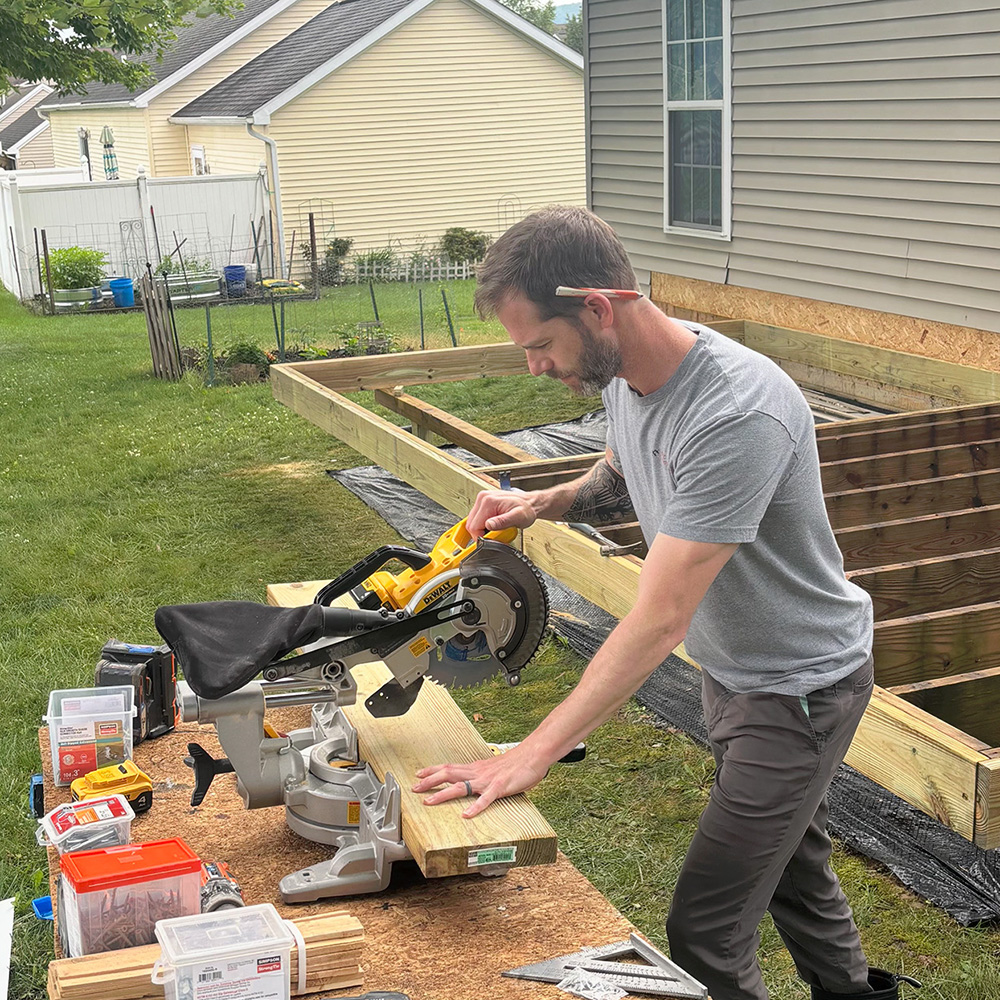
Brian GerberOwner of D&Z Renovations. Residential remodeling across State College and Centre County.